Cooperativas archivo - Page 5 of 6 - AlterNativa3

Search

Indonesia

Mitra Abadi is translated as “partner forever” and this is the most important aspect of PMA. They are strongly linked to local producers with the aim to expand the products from Indonesia to the global market. They implement together new cultivation methods, and they create quality products, that means delicious ones.

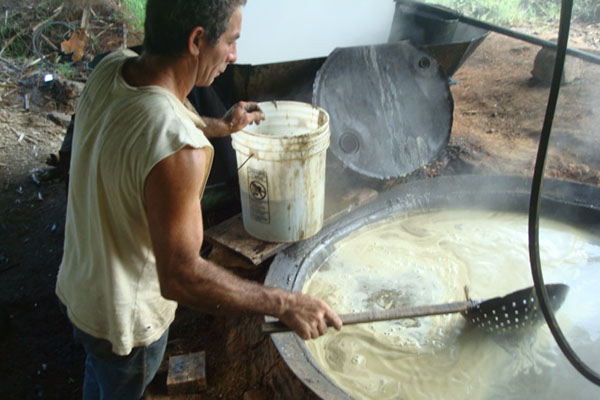
Coconut sugar from PMA is well-known by their sweet and honeyed flavour. It has iron, zinc, potassium, antioxidant, dietetic fibre and a lower glycemic index, different from the traditional sugar.

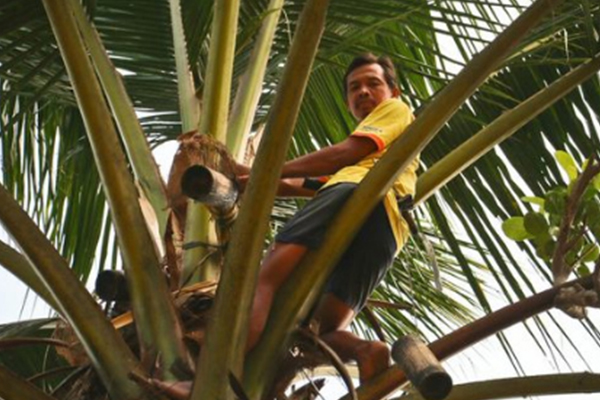
Althought in Occident is recently very popular, coconut sugar has been used as a sweetener in the Asiatic south-east from milleniums ago. It is produced from the palm flower coconut sap, which is abundancy grown in the tropical weather. It is cultivated using traditional methods and it is processed by the local citizens without adding any additive or artificial preservative, as generations ago used to do.

Visit website Mitra Abadi
Paraguay

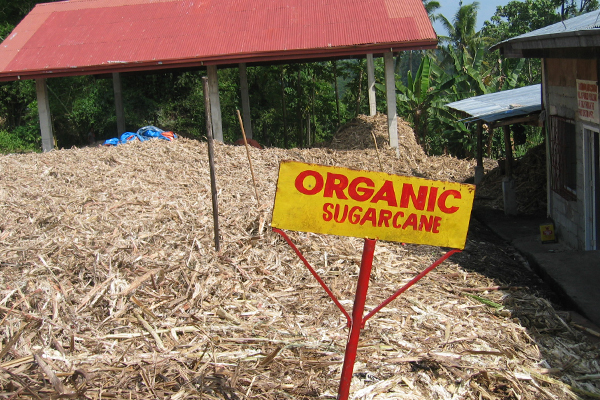
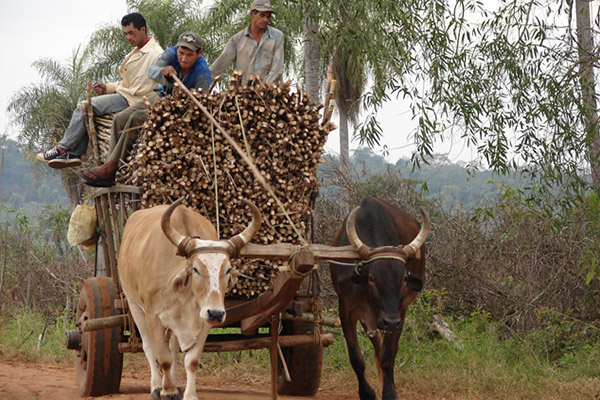
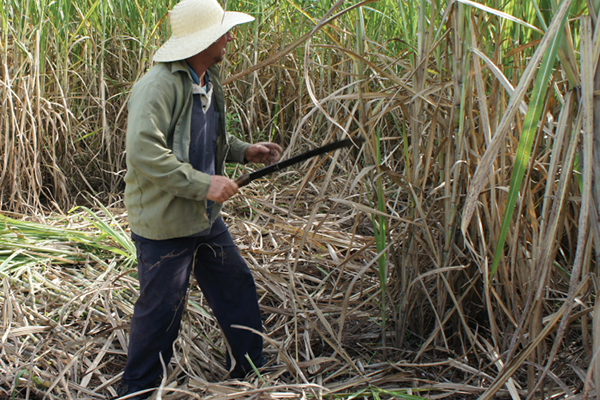
The Manduvirá Cooperative was created in 1975 and is located in Arroyos y Esteros town, in the south-west of Paraguay. The farmers’ life is not easy because they live in an isolate place, and the crops are small, as well as the benefits they report. The stretches of land they own are constantly divided in smaller and smaller sections for their children.

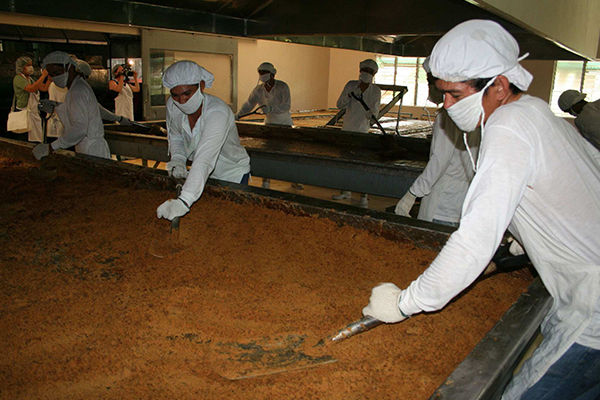
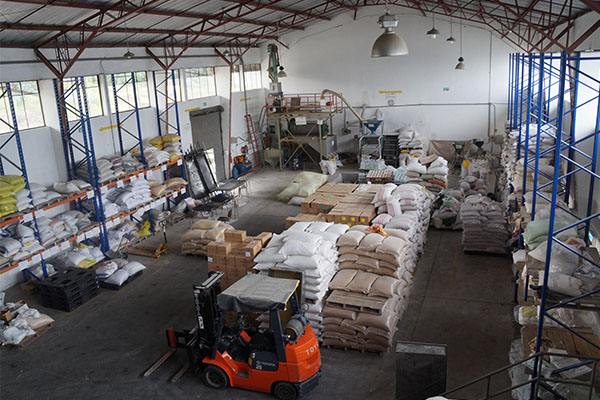
Thanks to the Fairtrade merchandising, Manduvirá can face the possibility to get their own organic certification, to rent a factory and to produce their own organic sugar, and also to establish long-term cooperation with international clients, conquering the market with their brand (that is distinguished as a high quality brand). In addition, other benefits are added, for example, education, medical and organic farmer funding.


Video: 1


Visit website Manduvirá
Paraguay

ASOCACE was created in 2003 to represent the cane sugar producers interests compared to the sugar factory and to offer social and productive services to their partners, as: building an school, offering medical attention, repairing local infrastructure, providing loan supplies and savings (the national banks are not trustworthy), or product storage to sell it collectively to obtain a better price. Today it has more than 200 partners.

Fairtrade market is a potentially addition because is not easy to get investment funds for the projects. The Fairtrade bonus is the only source of income from which the cooperatives can work on. Some of the projects that have been created with the bonus are: infrastructures improvement (roads, bridges reparation), equipment improvements (for example, the possibility to have a bulldozer that they can low price rent) and the possibility to offer microloans to their members.

Visit website Asocace
Philippines

This organization is located in Panay Island, and consists of 30 families that cultivate cane sugar and the required products for their own diet.

Through the Fairtrade products export they are getting new resources to solve their productive difficulties, as: the lack electric power, the out-dated machines, the transport difficulties, etc.)

At the same time, they have done new investments to improve the community life conditions, for example, building a day outpatient.

The production is done following the Organic Agriculture rules, using the worm excretions to fertilize the fields. From the cane sugar they produce the Mascobado sugar, that doesn’t contain chemical additives, so the flavour reminds intact. Nowadays they export almost all the production.

Philippines

The Fairtrade Organisation Panay (PFTC), in the Philippines, was born to improve the women’s role in the Philippine society, and it also works to protect the small scale farmers’ and the women’s interests from the slums. The cane sugar is the main source income for the most of the Philippines families.

PFTC defends the traditional cane sugar production methods and it also supports the small scale producers commercially and technically. It stands out by their social and political agreement.

Thanks to the Fairtrade cane sugar merchandising, the Philippine farmers receive higher profits than the benefits that invest the conventional trade. With this, the farmers can get worthy work conditions, with insured and regular payments. They have also modified the production, and nowadays it is organic (using, for example, their own compost instead of chemical and synthetic fertilizers in their fields.

Equator

The Pakta Mintalay Association was formed in 24 September 2010 to support and to participate from the equitable food and handmade products merchandising from small scale producers from the countryside and from the slums in Ecuador.

Pakta Mintalay, that in Quechua means “equitable commerce”, markets preferably organic certificate products: raw cane sugar, mushrooms, cocoa, coffee, quinoa… this market is done following the Fairtrade guidelines, achieving that the impact caused by the merchandising is reflected in the life conditions from the families that participate in the productive chain, and the strengthening of the organization, having as a base the rules from the equitable trade.

Visit website Pakta Mintalay
Equator

The farmer’s journal  “Cumbres de Ingapi” is located in Pichincha, north-west of Quito (Ecuador). The weather is subtropical and the altitude there is 1200 metres. It was created in 2005 and it is formed by 50 families. They are small scale farmers that cultivate cane sugar, although they also plant other products for them and to be locally bought, as yucca, corn, banana, lemon and other fruits.

Each family owns between 2.5 and 3 ground hectares. The cane sugar harvest takes place along the year, avoiding the heavy raining seasons. Nowadays, thanks to the Fairtrade, the producers have come out of poverty and margination. They have built better life for themselves and for their families, for example, having access to education, technical formation and investing land improvements.

Visit website Cumbres de Ingapi
Equator

Camari, that in quechua means “liking”, was created in 1981, becoming specialized in commercialization areas about agriculture and livestock products. Camari works as a direct trade network between the organized producers and the consumers.

So their task is to offer high quality products to the consumers, paying a good price, higher than the price paid by the local intermediaries.

Camari supports the commercialization and the production, offering training, technical assistance and orientation, very necessary areas for the agriculture and handwork production.

Their products are sold in the country shops and in the different Fairtrade international organizations.


You can watch a video here.

Visit website Camari
Colombia

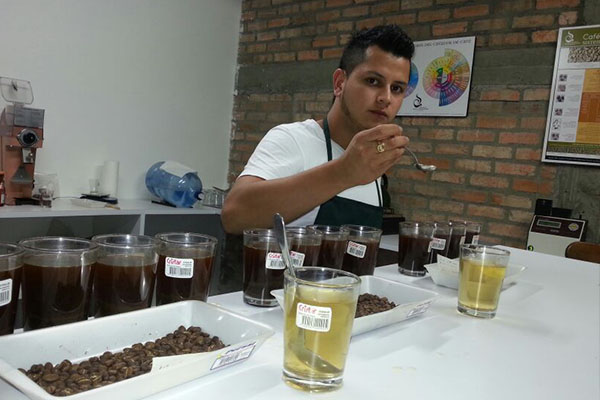
The native cooperative from Cauca (CENCOIC) is a coffee producer organisation that was created in 1980 as an important marketing part of the native movement from Cauca, Colombia (Consejo Regional Indígena del Cauca)

The organisation achieved the Fairtrade Certification in 1995, and for this reason, they have defended the small scale coffee producers from the big international ones.

Nowadays, CENCOINC identifies coffee as their main action strand, having producers that belong to 24 different native reserves in Cauca, and to different native groups from Caldono, Piendamó, El Tambo, Santander de Quilichao, Toribio, Jambaló, Inza, Buenos Aires y Suarez.

Video: https://www.youtube.com/watch?v=9TlMv0H6j1E

Brasil

Coopervitae (Cooperativa Agrícola de Nova Resende de Productores Orgánicos y Región LTD) is located in Resende, the south of Minas Gerais, in Brazil. It has got 377 members. The cooperative has 1600 hectares of Arabigan Coffee, 1000 metres high, and the coffee grown has an excellent quality.

Coopervitae is compounded by farming families, whose main source of income is the coffee. From 2006 their coffee is Fairtrade Certificate. With this certificate they have improved and have claimed the retail price from the production, they have kept a confidence relationship with their clients, strengthening their alliances and adding value to their coffee, ensuring social and environmental sustainability in their cultivation.


Visit website Coopervitae
0
    Your cart
    Your cart is emptyReturn to shop