Cooperativas archivo - Page 2 of 6 - AlterNativa3

Search

Peru

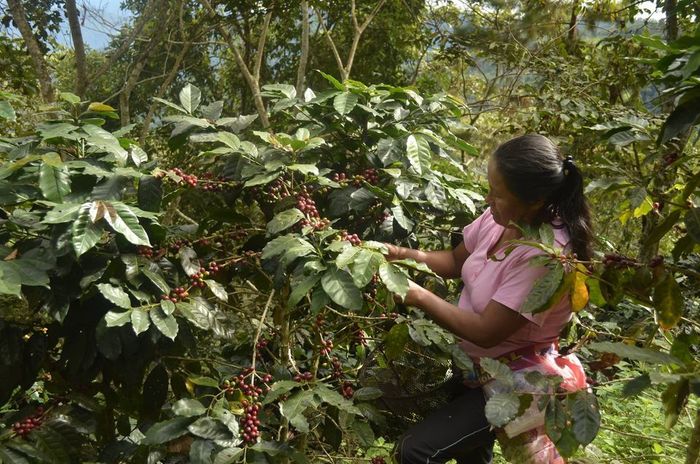
Fundada en 2004, CAC Ubiriki es una cooperativa peruana de pequeñas familias cafetaleras, situada en la región de Junín, en el área de la selva húmeda central del país. La cooperativa cuenta con certificación de comercio justo y orgánica para su café. Nace de un proyecto piloto denominado “Proyecto Café Sostenible”, implementando tres Escuelas de Campo de Agricultura llamadas ECAs, una metodología moderna de educación para personas adultas. De la confianza generada entre las personas agriculturas participantes de las ECAs, se decidió formar esta cooperativa.

Junín es una región con muchas plantaciones de café y un clima propicio para obtener granos de alta calidad. En general, la población local tiene una educación pobre, la infraestructura de la región es precaria y hay altos niveles de desnutrición, por lo que muchas personas han abandonado la región en busca de oportunidades económicas en la ciudad. La cooperativa trabaja para remitir esta tendencia mejorando la producción y comercialización de café de calidad y sostenible, negociando en condiciones favorables y mejorando los ingresos de sus asociadas y asociados.

Su objetivo es trabajar de forma unida y organizaad para producir cafés especiales con responsabilidad ambiental y acceder al mercado internacional para mejorar el nivel de vida de las personas asociadas y de la comunidad.

Visit website Ubiriki
Guatemala

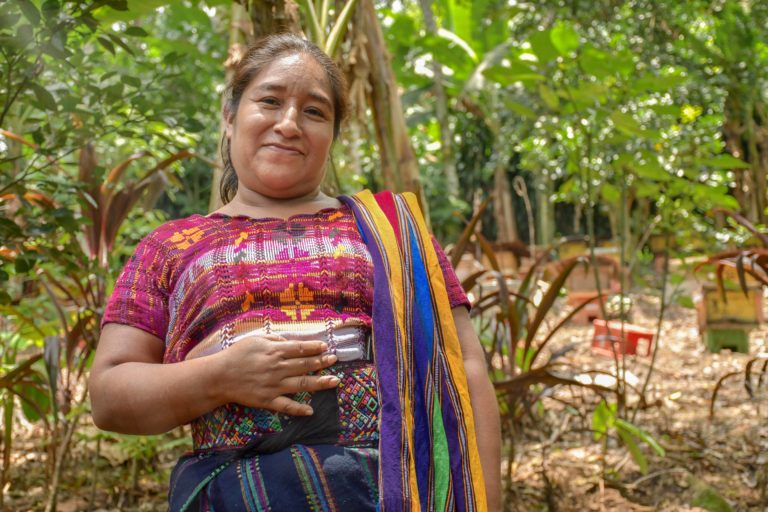
The Federación Comercializadora de Café Especial de Guatemala (FECCEG), is a non-profit organization which was founded in 2006 with the purpose of supporting small coffee producers to overcome the huge challenges of price fluctuations and risks in the internatiol coffee market. Today, as a federation, we are able to bring together 15 producer organizations, associations and cooperatives that associate 1,150 men and 350 women, al lof them small-scale farmers, dedicated to the organic production of specialty coffees, honey, panela and cocoa. Our partners are distributed in the Highlands of Guatemala, in the departments of Chimaltenango, Huehuetenango, Quiché, Sololá, San Marcos and Quetzaltenango. This land is known for its majestic mountains, dotted with volacanoes, and a wide variety of microclimates that imprint unique characteristics on our high-quality coffee.

The FECCEG Civil Society works in cooperation with other organizations to create capacity building synergies in the communities where the farmers associated with the FECCEG organizations live and work.

Visit website FECCEG
India

Fair Gift is a Fairtrade organization which was founded in 2013 in Chennai, the capital of the Indian state of Tamil Nadu.

Fair Gift collaborates with 15 different groups of local producers to which more than 700 artisans and craftsmen belong.

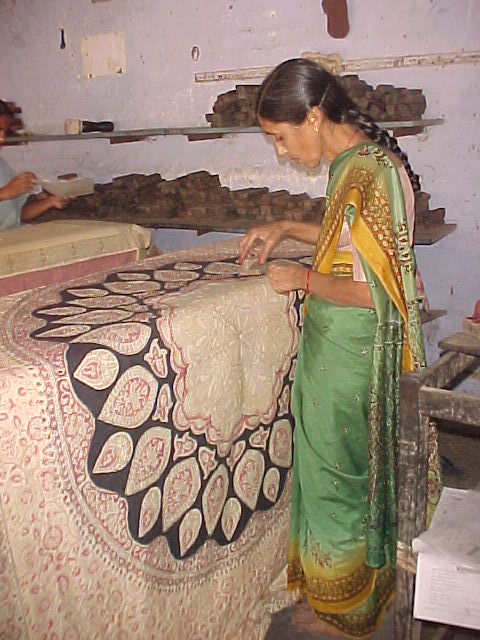
These groups are located in the four southern states of India and manufacture many different products, each one by using the natural raw materials available around the area where they live and following traditional techniques.

Each group of producers offer job opportunities to rural artisans, to who they guarantee: paid holiday, accident insurance, medical assistance and, in some cases, zero-rate microcredits for internal needs. This way, their lives and their family members’ one stabilizes, with a positive effect for the entire community to which they belong, in economic, health and educational terms.

Fair Gift products have been manufactured in accordance with the Fairtrade standards, and also preserving traditions and culture in local production.

Visit website Fairgift
Peru

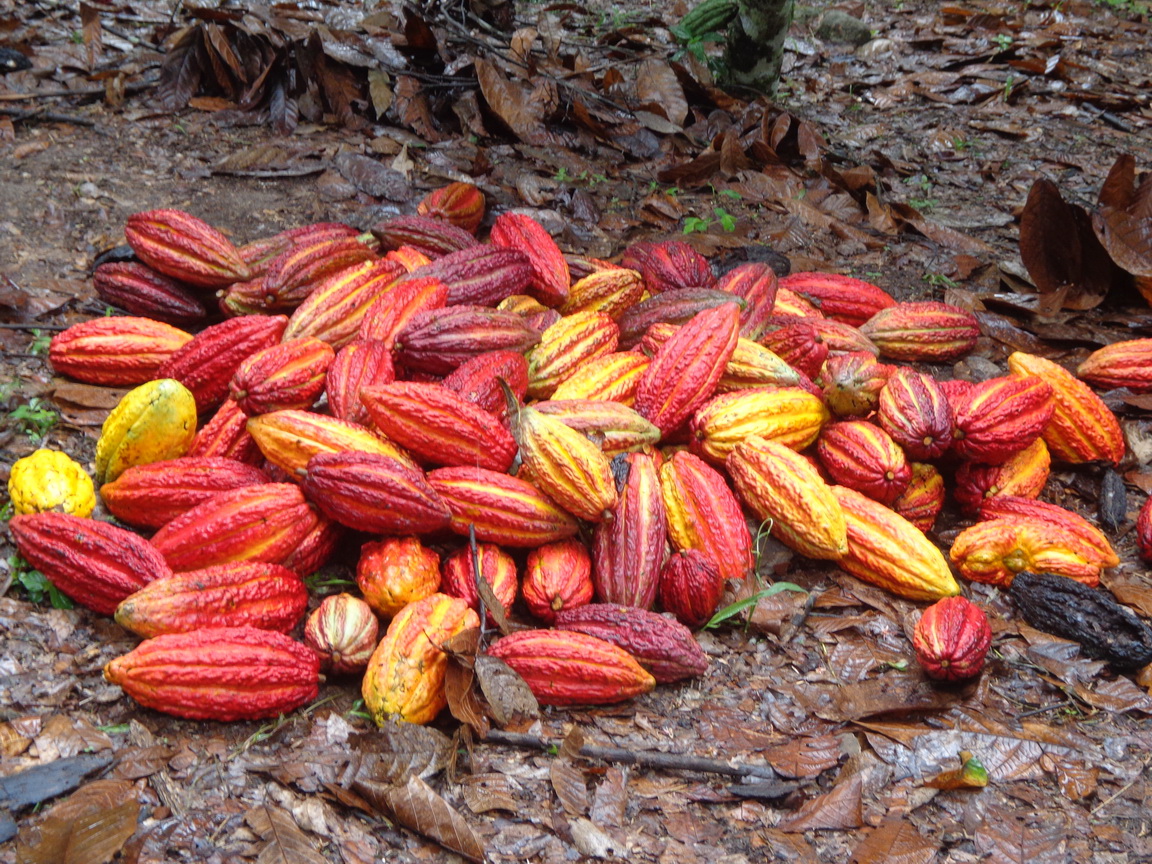
Organization of cacao of special qualities producers, located in the Central Huallaga Valley, San Martín region, Peru. Distributed in 4 Provinces: Mariscal Cáceres, Huallaga, Bellavista and Picota with more than 2,000 associates, whose main activity is the promotion of the cultivation of cocoa, from its sowing, maintenance, harvest and export of organic cocoa beans.

Visit website ACOPAGARO
India

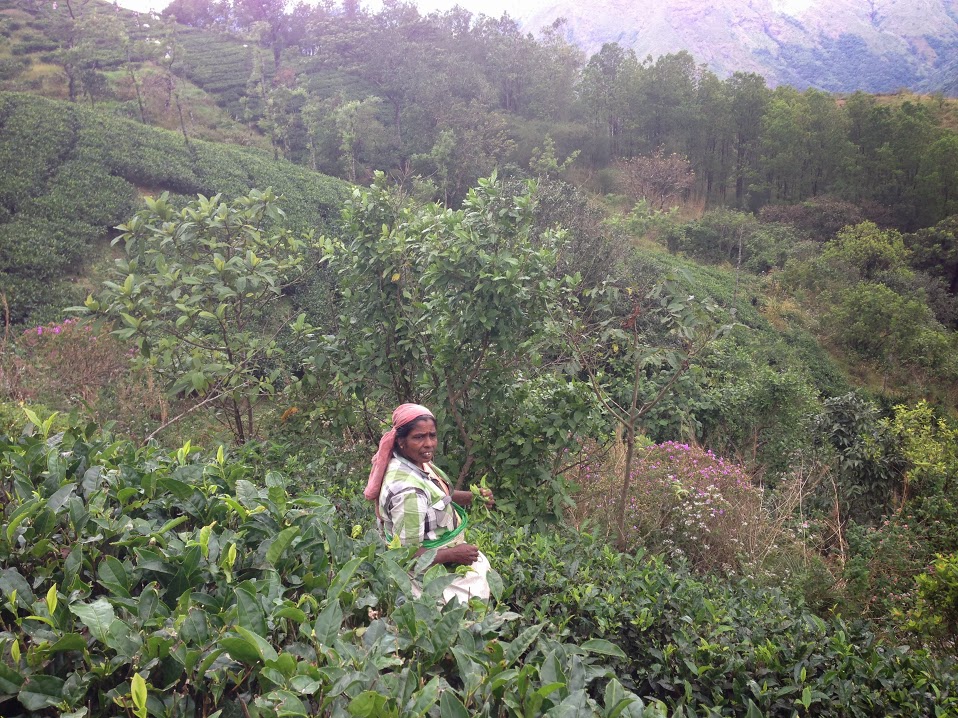
The tea comes from a region of India called Kerala. It is a cooperative that brings together more than 200 families. They carry out the entire process, from cultivation to packaging.
The Small Farmer Tea Project cooperative is the first that, apart from being fair trade and organic, only works with small producers and does not use pesticides or genetically modified organisms in its productions.

South Africa

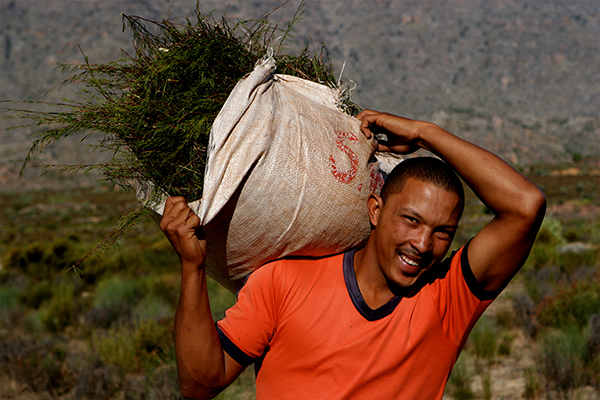
This cooperative was founded in 2009 and is made up of about 100 people, who have been working in the production of rooibos since 1998. A turning point for the cooperative came when Fair Trade certification was achieved in early 2010. Its members and partners work as a team and support each other in the development of the cooperative, in their skills and in improvements in production.

Fair Trade guarantees a minimum price when buying rooibos, which is much higher than the conventional market price. This supposes a drastic improvement in the income of small farmers and farmers, and represents a great opportunity for producer organizations to benefit from their work and to invest in their own development. After the hard fight to free themselves from the colonialist plantation model, from apartheid and to put an end to structured racism, inequality and the exploitation of farmers, being able to benefit from their work has meant a great change for them.

Visit website Wupperthal
Uganda

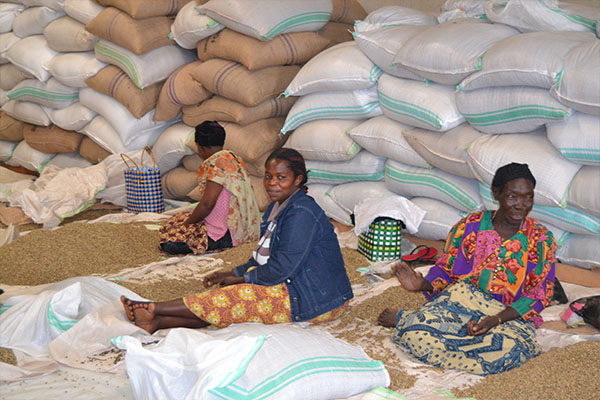
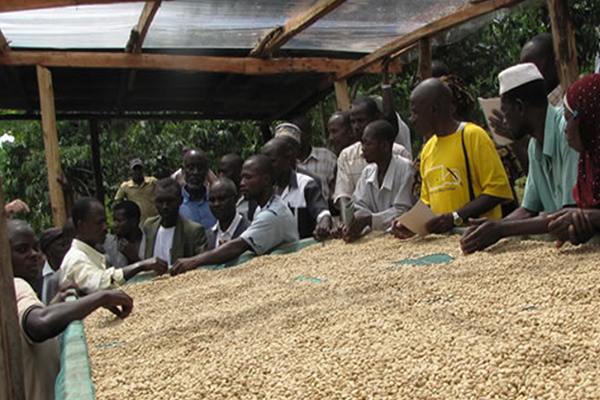
Banyankole Kweterana Co-operative Union, BKCU was founded by 350 coffee producing cooperatives. Banyankole Kweterana means “The people of the Ankole region working together”.

Its base is the coffee producers of the cooperatives of the 10 districts of the Ankole region, in Uganda. Currently, the operational activities of BKCU are the local sales and export of Robusta and Arabica coffee, especially for Fairtrade markets.

They work with the objective of increasing purchases and exports of coffee within Fair Trade channels, in order to improve the living conditions of grassroots cooperatives. They provide the necessary infrastructure for the reactivation of cooperatives, they propose training to improve their capacities and the environmental and social awareness of male and female farmers, primary societies, the Union Administration and the Board of Directors.

Visit website BKCU
Uganda

The Ugandan Coffee Growers Cooperative Union ACPCU brings together more than 17 coffee growing cooperatives, with more than 6,000 multi-ethnic people from different communities, stretching across the mountains of southwestern Uganda, from the fertile slopes of the Bushenyi to the Bunyaruguru heights. Although they speak different languages, they share a common voice: working together as farmers, with a vision of the future in the coffee trade and to improve their living conditions.

ACPCU LTD is directly involved in improving the quality of life of its members, who are the producers. Through the Fair Trade premium fund they have been able to build ponds and bridges and create schools for students in Nyakahita and Katenga, in the Mitooma district.

ACPCU LTD offers its members technical training for the production and marketing of coffee, timely supervision (according to the needs of the members), training of farmers in the best agricultural practices and record keeping.

Visit website ACPCU
Tanzania

In Tanzania, the production, processing and marketing of coffee is managed by a system of “Primary Societies” (or Village Cooperatives), which are joined by small farmers who, in turn, are associated in Unions of Cooperatives (regional), present in each of the 5 coffee producing regions.

Two of these regional cooperatives, KCU and KNCU, market more than half of all coffee in the country. KCU has 96 Primary Societies to which some 60,000 members adhere. The management of KCU is in the hands of a Board of Directors made up of 12 people, and the different areas of work are covered by some 400 workers.

KCU was born in 1950 with 48 primary (village-based) societies. In 1976 it was dissolved by the government (along with other cooperatives) and replaced by a state agency that was in charge of its sale and transformation. The cooperative unions were reinstated in 1984, but their assets were never returned, leaving them in a state of extreme poverty. In 1991 the government gave cooperatives complete autonomy, as well as freedom of association. KCU made its first Fair Trade export soon after, while Alternativa3 made its first import to our country in 1999.

The KCU is a second or secondary level cooperative. Its main activity is the commercialization of coffee and other agricultural products from 178 primary or base cooperatives. They are located in villages in the Kagera region, specifically in the districts of Bukoba and Muleba, representing some 100,000 workers who, together with their families, make up some 300,000 people. KCU also provides training and technical and financial support to small farmers. Farmers become members of grassroots cooperatives by purchasing 5 shares in the societies, for about 1,500 Tanzanian shillings.

Visit website KCU
Perú

Coopvama, Valle Marañón cooperative is a competitive organization in the organic and specialty coffee market. Its strength is based on constant improvement, based on the training of its members (with the aim of satisfying the requests and demands of its customers), contributing to the human development of coffee families with economic, social and environmental responsibility, having as principles: gender equity, continuous improvement and diversification of business lines.

COOPVAMA’s raison d’être is to provide technical assistance, storage and export services, promoting productivity, competitiveness and self-employment. They also promote the culture of peace and harmony with the environment. All this contributes to human development in an equitable manner and to the continuous improvement of the quality of life of the members and, therefore, the satisfaction of clients and clients, also taking advantage of the opportunities of the environment in the generation of new businesses.

Visit website Coopvama